Searching for Spray Foam Insulation Near Me in Baton Rouge? Start With These Questions
October is a good time to take stock of your home's comfort. After another Louisiana summer, you may know exactly which rooms stayed hot, whether the air conditioner seemed to run constantly, or whether the floors felt damp or unevenly comfortable. If you are searching for spray foam insulation near me in Baton Rouge, the first question is not simply who can spray foam. It is which part of your house needs attention and whether spray foam is the right solution there.
Mr. Green Jeans Insulation serves the Baton Rouge metro area from its Gonzales office. Our team works with both open-cell and closed-cell spray foam, along with other insulation and weatherization options. Here is what to know before you request an estimate.
1. Where is the comfort problem coming from?
The hottest room in the house does not automatically mean the room's walls need foam. Heat transfer and air leaks can involve the attic, ductwork, ceiling penetrations, exterior walls, or a raised floor. A professional assessment should look at the house as a system before recommending a product.
Consider what you have noticed:
- A hot upstairs or uneven room temperatures: The attic, air leaks, ductwork, or HVAC distribution may deserve a closer look.
- Drafts or uncomfortable floors in a raised home: The subfloor and the space beneath it may be part of the problem.
- An addition or renovation that is open to the framing: This may be an opportunity to choose an insulation assembly before the walls are closed.
- High bills without an obvious cause: An energy assessment can help distinguish insulation gaps from other issues.
The U.S. Department of Energy emphasizes that insulation and air sealing work together; for an existing vented attic, it recommends sealing penetrations at the attic floor before adding insulation. Read DOE's attic air-sealing guidance.
2. Is the attic floor or roofline the right place to insulate?
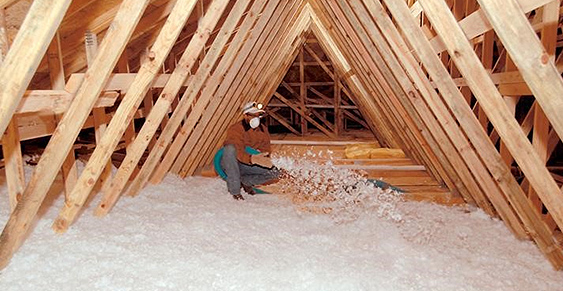
This is one of the most useful questions to ask an installer. In a vented attic, insulation is commonly placed on the attic floor to separate the living space from the attic. Air leaks through that ceiling plane should be addressed as part of the job. In a different design, the insulation and air barrier may be installed at the roofline. Those two approaches change which space is inside the home's thermal boundary.
The right choice depends on the existing attic, ducts and equipment, ventilation strategy, roof assembly, moisture conditions, and the work you are planning. There is no responsible universal answer for every Baton Rouge home. Ask an estimator to explain which surface will be insulated and why before comparing prices.
For more detail on the services themselves, see our attic insulation options and spray foam insulation service pages.
3. What is the difference between open-cell and closed-cell foam?
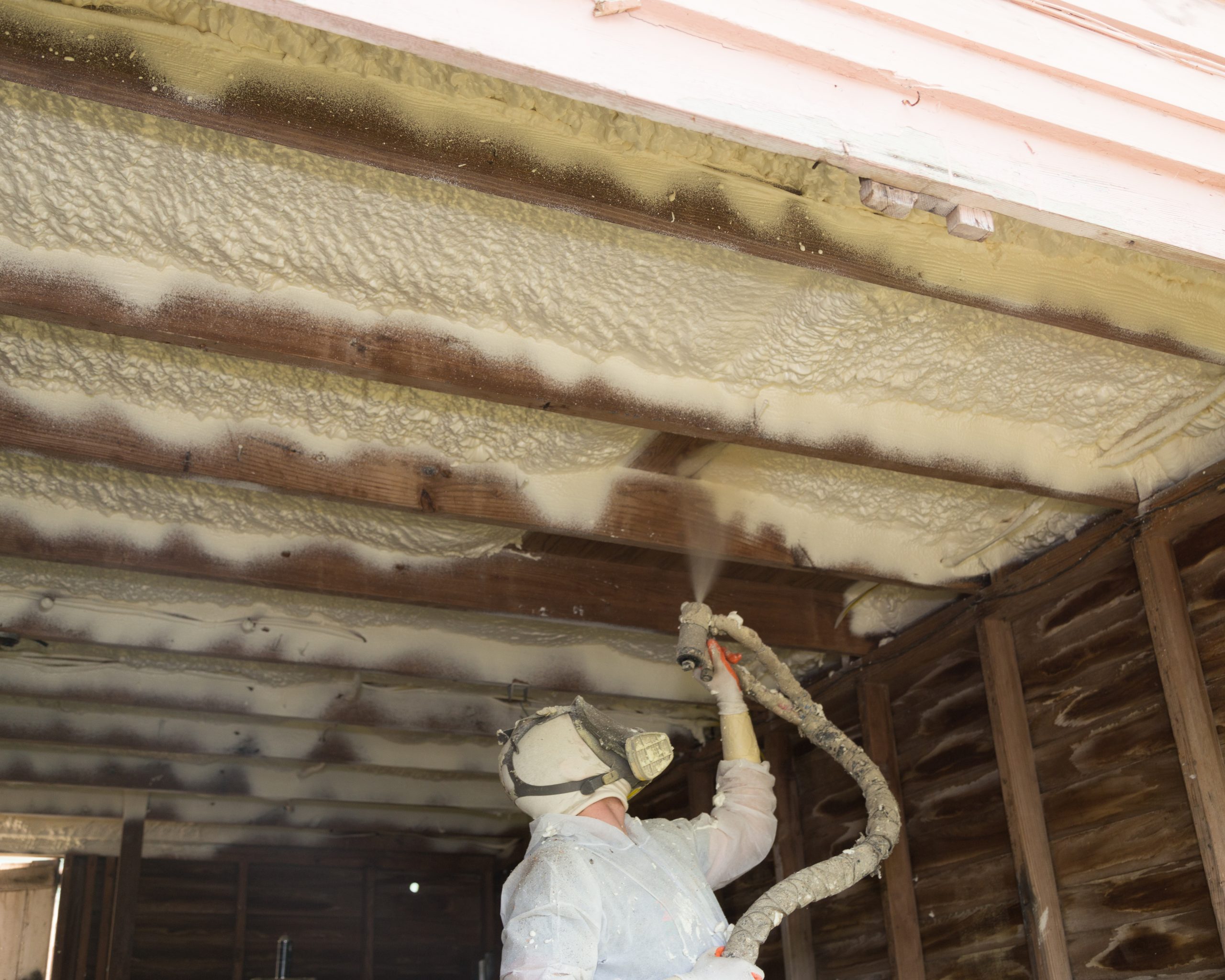
Both are spray-applied insulation products, but they differ in density, thermal resistance per inch, and how they handle water vapor. Open-cell foam is generally lighter and often used where a thicker application can fit. Closed-cell foam is denser and delivers more thermal resistance per inch; its vapor-control characteristics depend on the product and installed thickness.
| Question | Open-cell foam | Closed-cell foam |
|---|---|---|
| How does it feel after curing? | Softer and more flexible | Firmer and denser |
| Space needed for a target R-value | Usually more depth | Usually less depth |
| Typical cost comparison | Often lower material cost | Often higher material cost |
| Best choice for every application? | No | No |
For an exposed subfloor beneath a raised house, a contractor may discuss closed-cell foam because the assembly has different moisture and exposure concerns from an interior wall. But material choice should follow an inspection of the actual conditions, not a blanket claim that one foam is always better. Mr. Green Jeans explains the application-dependent choice in its insulation FAQs.
4. Could another insulation option make more sense?
Yes. A home with a straightforward, accessible vented attic may benefit from sealing the attic floor and adding blown-in insulation. A project with open framing, irregular gaps, or a particular air-sealing goal may call for a different approach. Spray foam is one tool in the insulation plan; it is not automatically the best value for every square foot.
The Department of Energy lists fiberglass, cellulose, spray foam, and other materials for different parts of a building. Selection depends on the location, desired R-value, and construction method. See DOE's overview of insulation types.
That is why it helps to get an estimate from a company that can explain alternatives. Ask what problem each proposed material solves and whether any air sealing, duct work, or moisture issue must be handled separately.
5. What should a spray foam estimate include?
Two quotes can look very different when they describe different scopes. Before judging the price, check whether the proposal states:
- The exact application area - attic floor, roofline, wall cavity, rim joist, or subfloor.
- The foam type and installed thickness - including the target R-value and product information.
- Preparation and exclusions - such as access, protection of surfaces, removal of existing material, or repairs that another trade must complete.
- Ventilation and occupancy instructions - including how the crew will manage the work area and when occupants may return under the product-specific plan.
- What happens after installation - cleanup, inspection, warranty terms, and who answers follow-up questions.
Price depends on the size and accessibility of the area, product, required thickness, preparation, and the condition of the building. A square-foot number without a written scope is difficult to compare.
6. What should I know about installation safety?
Professional installation involves more than spraying material onto a surface. During application, workers use protective equipment and control access and ventilation. The U.S. Environmental Protection Agency notes that exposure to spray polyurethane foam chemicals during and after installation can affect workers and occupants; it provides specific guidance on ventilation and safe re-entry. Read the EPA's homeowner and installer overview.
Ask the installer for the product information and a clear plan for who needs to be out of the work area and for how long. Re-entry timing should reflect the product, application, ventilation, and manufacturer's instructions. It should not be guessed from another job.
7. Does the contractor understand homes around Baton Rouge?
The metro area contains a mix of raised homes, older houses, additions, and new construction. An insulation plan should account for how your building manages air, heat, and moisture. If you are in Baton Rouge or a nearby community such as Prairieville, Denham Springs, Central, Baker, or Port Allen, ask for examples of comparable work and a clear explanation of the proposed assembly.
Mr. Green Jeans is a veteran-owned insulation and weatherization company serving the Baton Rouge area. We can assess your project, explain open-cell and closed-cell options, and discuss whether spray foam or another insulation approach fits the job. Learn more about our Baton Rouge insulation services and areas we serve.
Frequently Asked questions
1. Will spray foam lower my energy bill?
It may reduce unwanted heat transfer or air leakage when installed in the appropriate assembly, but the result depends on the home's existing condition, installation, HVAC system, and occupant habits. A contractor should not promise a particular percentage of savings without project-specific analysis.
2. Can spray foam go over old attic insulation?
The answer depends on where the new thermal and air boundary will be, the existing insulation's condition, and the proposed product. Ask the estimator to describe any removal, air sealing, and preparation included in the quote.
3. How do I know whether I need open-cell or closed-cell foam?
Start with the application: attic, wall, roofline, or exposed subfloor. Then consider available depth, moisture control, budget, and the full building assembly. The installer should be able to explain the recommendation for that location in plain language.
4. Is October too late to insulate in Baton Rouge?
No. An insulation project can be evaluated outside the peak summer heat. October is a practical time to document the comfort issues you noticed over summer and plan the work that fits your home.
Request a local insulation estimate
If you have been searching for a spray foam insulation contractor near Baton Rouge, tell us where your home is uncomfortable and what you have already tried. Mr. Green Jeans can discuss the project and provide an estimate tailored to the area being insulated. Call (225) 644-0548 or request an estimate online.